Friday, December 13, 2024

Anti-War

It's no secret to anyone who follows the news that war is practically a mainstay of the 24 hour news cycle. With the conflict between Russia and Ukraine, and Israel and Palestein, war is a near centerpiece of news stations that give the people of America near constant updates. Despite the reach and size of mainstream media, those who stand against the wars often find themselves exiled to small online blogs like antiwar.com. This injustice can be attributed to a combination of media consolidation, government influence, social conditioning, and the profitability of pro-war narratives.
(https://businessjournalism.org/2023/12/war-profit/)

TV Review: 'Saturday Night Live's' 'Weekend Update: Summer Edition'

Thanks to the news being controlled by the wealthiest people in America, you will barely see stories that deviate from what the common folk want to see. Massive corporations also have significant financial interests tied to industries that profit from military engagement, including defense contractors and technology firms. (It is always important for the wealthy to send the poor to die and for them to get richer.) Their coverage of war aligns with perspectives that avoid critical discussions of military actions, as that challenges the status quo. Antiwar voices risk undermining the political interests of the people running the show, and so they are excluded almost entirely from mainstream platforms.
(https://tobiasrose.medium.com/the-enemy-in-our-feeds-e86511488de)


Another reason mainstream media does not like to cover anti-war voices is really down to it just being easy for everyone, especially the Government. The US Government loves to use the media to promote narratives that justify military action, always saying its their duty to “spread democracy” to nations that need it. If you dare question them, you are labeled a threat to national security and silenced by any means necessary. In extreme cases laws and policies may be used to silence those who speak out against our wars. Due to all of this, those with anti-war views would rather report and discuss on their own websites than take the chance with the mainstream news.                                                                                   (https://news.gallup.com/poll/651977/americans-trust-media-remains-trend-low.aspx)

Archived Antiwar.com Home Page from August 13, 2016

Another way we can understand the lack of anti-war voices is by looking back to our past and try to study our social conditioning. While I am not trying to say America is a strictly violent country, it cannot be denied that a vast majority of the population internalizes pro-war sentiments. Most of the time it is not even a person’s own fault, thanks to our historical narratives, our education systems, and the media portrayals of military power. This conditioning leads to a general acceptance of war as a necessary and even honorable pursuit. Antiwar positions, which challenge this ingrained belief, are less accepted by the broad audiences, and so they are less likely to receive mainstream attention. When you are a big news outlet that solely operates for profit, you will go with the flow and discuss the commonly held stance: pro-war.                                                                                                                                                        (https://www.commondreams.org/views/2017/05/11/pro-war-movement-and-hazards-military-worship)
 
TV news stations profitability in the U.S. 2022 | Statista

In conclusion, anti-war stances are not as represented in mainstream media because… well its just easier to not have them. It challenges the status quo, potentially upsetting the industries that benefit the most from having wars raging on constantly. And let's be honest, if the US pulls out of a war, then how is the FBI going to supply either side with firearms to profit off of them?

How U.S. Guns Sold to Mexico End Up With Security Forces Accused of Crimes  and Human Rights Abuses

Monday, December 9, 2024

EOTO #2 - React

I had never heard of the Five Eyes until I had listened to a presentation, and so all of it sounded like a complete shock to me. Five Eyes was an intelligence sharing group that began in WW2 (around 1946), and was made up of the US, UK, CA, AU, and NZ. It was a collaborative surveillance, counterterrorism, and cyberdefense unit between all five of those countries.

https://i0.wp.com/asiatimes.com/wp-content/uploads/2020/02/Five-Eyes.jpg?fit=1198%2C675&quality=89&ssl=1

In my opinion, Five Eyes was a necessary evil in times of war and brought enhanced security, tech advancements, and strengthened relationships between each nation who joined together. However it is very hard to talk about the Five Eyes without running into the large amount of negatives the group had. There were massive privacy concerns, as each nation not only spied on their enemies, it spied on its citizens as well. It also brought power imbalances. Finally it came with many moral dilemmas and laws for the group to work around, as many citizens from several different countries did not appreciate being observed by Governments like rats in an experiment.
(https://www.publicsafety.gc.ca/cnt/ntnl-scrt/fv-cntry-mnstrl-en.aspx)

Five Eyes: The Truth About Surveillance Alliances | IPVanish

Five Eyes still exists today, but in a much smaller fashion than when it was first created. Nowadays, it serves as an interesting glimpse into how surveillance was in the days past. It was created as an intelligence sharing group but caused more and more concern with the citizens aligned with the group, and the ones against it. It is a showcase of the danger an unchecked government that constantly watches its citizens can pose to them, and demonstrates the divide between the government. In a way it reflects our modern world, but it is not just our government watching us, its China and Russia who cannot help but listen to us. Keep your data protected people, you never know who is listening.
(https://www.dni.gov/index.php/ncsc-how-we-work/217-about/organization/icig-pages/2660-icig-fiorc)

Saturday, December 7, 2024

EOTO Blog #2

  • Beyond a simple definition, what are the implications? What might be good, what might be bad?
    •  According to the FCC, “Net Neutrality policies are a national standard by which we ensure that broadband internet service is treated as an essential service. It prohibits internet service providers from blocking, throttling, or engaging in paid prioritization of lawful content”


Net Neutrality Pros and Cons: How The Laws Affect Your Business in 2024 |  DesignRush


  • Good:
    •  Net Neutrality prohibits ISPs from charging more depending on what websites you go on
    •  Forces all internet traffic to be treated the same
  • Bad:
    •  Removes the chance for ISPs to provide tiered plans
    •  All internet traffic allows for bad actors to get the same bandwidth 
  • How might it affect society as a whole? How might it affect different segments differently — rich/poor, old/young, male/female, gay/straight, majority/minority?
    •  The entire point of Net Neutrality is to ensure everyone on the internet, regardless of their identity, is treated equally by ISPs. It ensures that minorities have equal access to educational sources, employment opportunities, healthcare resources, and government services. This is particularly important for undeserved communities where access to physical resources may be limited. It is also massively important as it allows minority groups to use social media, blogs, and other platforms to share their stories, advocate for their rights, and organize movements without interference or throttling. Movements like BLM heavily relied on the internet for support, which allowed them to get their word out to the public and to be heard by everyone. (https://www.freepress.net/news/mentions/black-lives-matter-hill-net-neutrality-matters)


Free Internet: is this the end of the toll-free road?

It also provides minorities with tools to challenge discriminatory practices, report injustices, and access legal support. Net Neutrality will level the playing field for minority entrepreneurs, allowing them to launch businesses and compete with larger corporations without needing to pay for premium internet speeds. It will also ensure that minority students have equal access to online learning tools, coding bootcamps, and skill-building platforms. Safeguards will also be put against ISPs blocking or throttling content that highlights minority issues or challenges existing power structures. Finally, it helps narrow the digital divide by ensuring fair access to high-speed internet for everyone, regardless of income or location. (https://www.benton.org/headlines/net-neutrality-what-it-means-your-everyday-internet-access-and-streaming-speeds)

EOTO #1 - React

A piece of technology that I learned more about during our first EOTO presentation was Bluetooth.

Bluetooth Classes and Versions for your Headset and VoIP soft phone  explained - HeadsetPlus.com Plantronics, Jabra Headset Blog

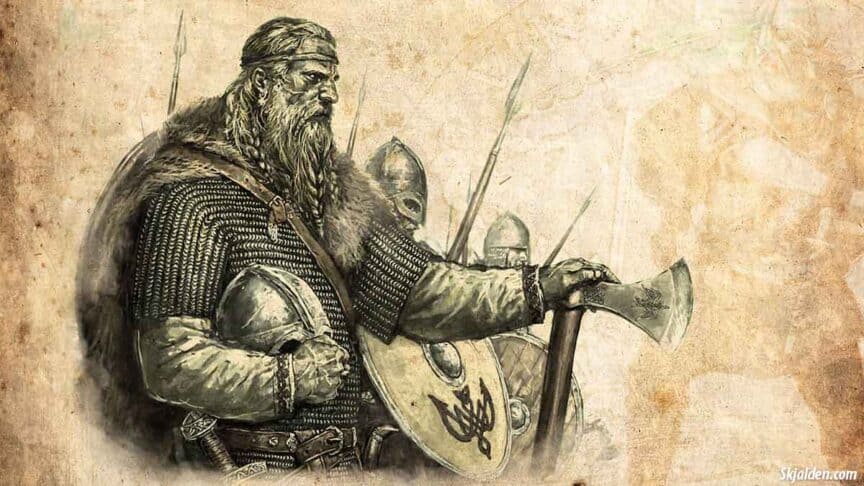
I had already known about what Bluetooth was, and how prevalent it is in our everyday life, but the presentation gave me further info that I would have never known about before. Firstly, Bluetooth was invented by Dr. Jaap Haartsen in 1994, who wanted to create a wireless short form communication system. Bluetooth was named after a Swedish viking warrior, Blaatand, which means Bluetooth in Swedish.


10 Facts About The Danish King Harald Bluetooth | Nordic Culture

In 2001, Bluetooth audio was introduced to the world. Bluetooth was truly a world changing invention, as it is found in nearly every device you can imagine. Your phone has bluetooth, computers have bluetooth, printers have bluetooth, even fridges have bluetooth in them. Bluetooth is also helping to make the world a bit healthier and safer, through smart watches that track your health and home security systems that allow you to watch over your house no matter where you are. Bluetooth also keeps us entertained through car connection, allowing us to listen to the music we want to without having to sit through the radio.

One thing that I never knew before the presentation was the Bluetooth SIG.

Bluetooth SIG Celebrates its 20th Anniversary at CES 2018

One thing that I never knew before the presentation was the Bluetooth SIG. They are an organization created in 1998 which oversees the creation of new bluetooth standards, ensuring every device that uses bluetooth will be compatible with each other. The Bluetooth SIG is made up of 40,000 companies, made up of the biggest tech companies in the world working in tandem to push bluetooth into the future. The Bluetooth SIG also gives out licenses to people who want to use bluetooth in their devices, ensuring that Bluetooth is held to the highest possible standard. (https://www.bluetooth.com/about-us/)

What's the difference between Bluetooth and Wi-Fi? - The Solid Signal Blog

Bluetooth sits alone in terms of technology and its evolution. The idea of it remains the same, sending information wirelessly, but it has only improved over the years. Most tech from that era has become stagnant, not evolving past its initial idea or regressing and becoming a shell of what it once was. But bluetooth, thanks to its massive prevalence in our lives and the Bluetooth SIG, has continually improved and will continue to in the near future. Bluetooth is really the only form of tech that I am interested in seeing how it evolves due to how many different ways it can evolve.


Monday, November 4, 2024

Privacy, Online & Off

The Latest Facebook Data Breach: What it Means for Businesses and  Organizations 
  • How do these issues affect you? Your friends and family?
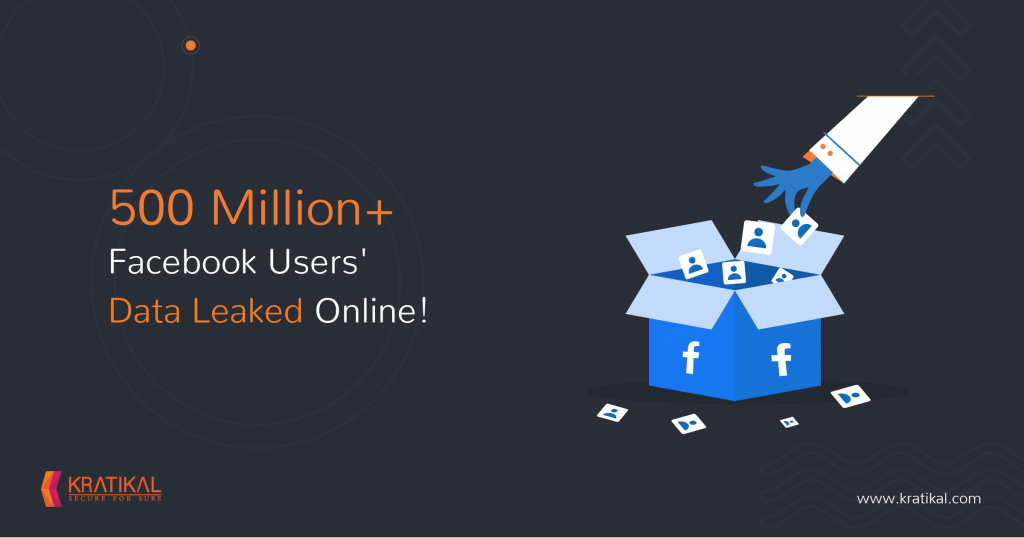
    • These issues affect me, all of my friends and family, as well as everyone else who has ever used social media. The fact that you can be ID’d from any picture taken, be easily searched, and have all of your valuable info leaked in an instant is a terrifying reality that we all have to face. Even if you try to keep your personal info private by setting your account to the proper settings, advertising companies are incredibly smart and know how to get your information without you even noticing it.Even if you try and keep your data protected it might not even matter, thanks to the large amount of data breaches that happen almost regularly. While there are options to protect your data, such as VPNs, these are costly precautions and the monthly fees associated with them will build up over time. These issues affect everyone who has even a small presence on the internet, and these issues will only grow and spiral out of control over time. 

      Data Privacy & Security | | Page 2 

  • What should the government be doing about these issues?

    • The government should be promising its citizens total protection online from any potential bad actors that wish to maliciously use information online for their own benefit. The amount of private info that advertisers easily gain, through the use of cookies and other internet tracking metrics, has turned the internet into a cesspool of constant advertising that’s fine-tuned to get us to spend as much money as possible. Online social media platforms are almost famously easy to breach as well. Companies like Facebook and LinkedIn have recently had massive security breaches that resulted in millions of peoples addresses, card info, DOBs, everything you can imagine, leaked for any bad actor to see. The Government should be forcing strict and high standards for internet privacy, so everyone online is safe and protected.

      533 Million Facebook Users Affected in a Massive Data Breach - Kratikal  Blogs 

  • What can we do to protect ourselves from invasions of our privacy? 

    • In the simplest terms, the best way to protect yourself is to think about the information you are sharing online, and not post said information on social media. Keep your profile private, or limited to a few close friends you trust. Do not post sensitive media that could come back to harm you in the future; anything posted online can and will be found and used against you when you need to find a job. Much like how you should think before speaking, you should also think before speaking. No matter how hard you try, whatever you post can come back to bite you when you least expect it.

Friday, November 1, 2024

EOTO Blog: Netflix

For my EOTO Key Post blog, I picked the History of Netflix.

About Netflix - Homepage 

Before I can talk about the history of Netflix, I want to establish where the desire for a service like Netflix came from. 

 Netflix Review | PCMag

Formed in 1985 by David Cook, Blockbuster was a video rental chain which rapidly expanded throughout the US near the end of the 90. While it was not the first video rental store (that honor goes to Video Station, which opened in 1977 by George Atkinson in Los Angeles), Blockbuster is arguably the most successful of its kind. At first, Blockbuster only offered VHS and Beta tapes, but its rapid success allowed them to carry video games, consoles, players, and even DVDs. While Blockbusters model was not perfect, with its overdraft fees being a massive punishment to anyone who was not able to get into a store in time, it was still successful and thrived in its time. The biggest thing holding Blockbuster back was its limited locations. While there were 9,040 stores open at its peak, you were out of luck if there were no video stores in your immediate area. 
 Blockbuster Business Model | Business Model Navigator
That's where Netflix came in. Formed in 1997 by Marc Randolph and Reed Hastings, Netflix changed the media renting landscape by allowing users to rent DVDs online and have them delivered right to their doorstep. Netflix also made a big decision in getting rid of overdraft fees, and while this ran the risk of people flat out keeping the DVDs, Netflix thought about this and made sure that people could only rent out one DVD at a time. 
Can I still rent DVDs from Netflix? | WKRG 
In 1999, Netflix’s model switched from a Pay-Per-View model, where a person could rent out the movies they wanted for a flat rate, to a subscription model, where a person would pay a monthly fee to have access at any time to the movie they wanted. At the time, Netflix’s biggest problem was waitlists. If you wanted a popular movie that was frequently rented out, you would have to sign up for a wait list and hope you would be next to watch. 
 
Netflix proved to be successful, and while it was much more convenient than the models offered by Blockbuster, the two models could exist at the same time because they both had unique upsides and downsides brought by their different models. However, this all changed in 2007 when Netflix introduced streaming, allowing users to skip the needs for DVD delivering all together, instead allowing them to stream films to their homes in an instant. While this required a strong broadband connection, which was not something all houses had at the time, it proved to be a massive success. Around 2010, when internet connections became more powerful and affordable, Netflix had grown to more than 20 million subscribers and were making around 2.1 Billion dollars. 
 
https://www.macrotrends.net/stocks/charts/NFLX/netflix/revenue 
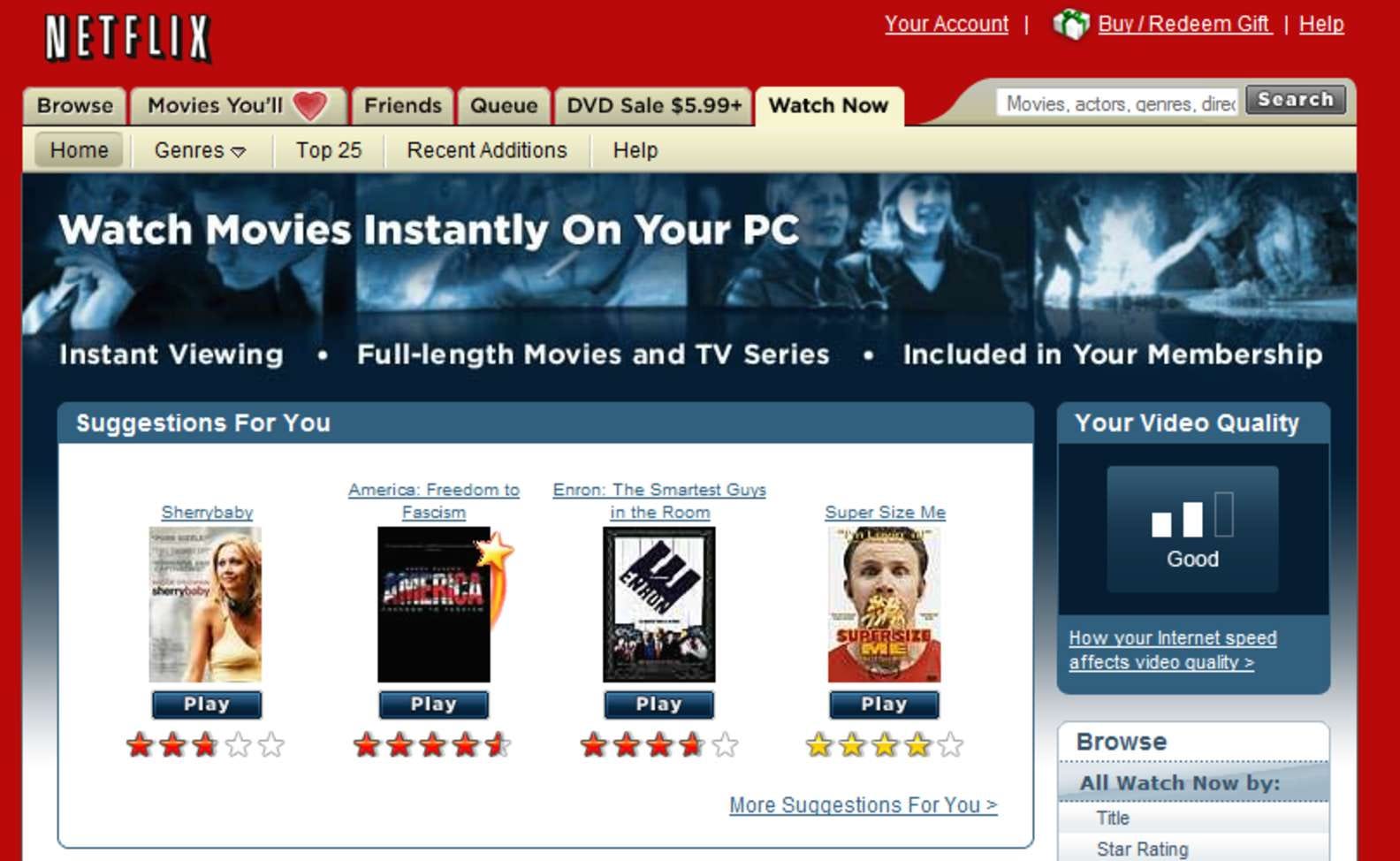
 How Netflix's Website Has Looked Over the Years - Business Insider
The streaming department for Netflix quickly took over its DVD service, and by extension all other video rental services. Blockbuster filed for bankruptcy in 2010, and all other stores either followed suit, or had closed years before. Netflix massively changed the way that we consume media in the modern age. The worst part of Netflix's success was how its spawned countless streaming services, all fighting over shows and movies to keep behind their paywall. Modern streaming services have basically reinvented cable, with the introduction of ads, higher priced packages for different shows, and even live TV. What started as the alternative to cable has basically become what it sought to free the masses from.
A Brief History of Netflix Personalization (Part Two, from 2007 to 2021). 
As someone who loves to collect all sorts of physical media, the death of video rental services, and video stores in general, is still one that upsets me. While some forms of physical media have come back recently, like vinyls and CDs, a lot more interesting formats have bit the dust, never to return in the same form they once had. VHS, DVD, Bluray, all of these formats have dropped off in popularity thanks to the convenience of Netflix being more desirable to the average consumer.
https://www.thewrap.com/physical-media-future-4k-blu-ray-growth/ 
Physical Media's Future Is 4K Blu-ray, Studios and Directors Agree 
In the end, Neflix changed the world of movies by allowing the public to stream movies into their homes. No more would they have to go to a theater, or the store to buy a DVD.  No more would people have to suffer overdraft fees, because Netflix was now king.
 
How Can Netflix Keep Its Streaming Crown? - What's on Netflix 

Two Values of Free Speech

Media Law & Literacy: Week 2, Day 2: Eight Values of Free Expression 

After reading through the Eight Values of Free Expression, the two that stood out the most to me were the Marketplace of Ideas, and Protect Dissent. These two topics are the best summaries of what makes America unique, and what gives us freedom and protection when it comes to speech. They are personal to me, and every other American in the US, as they protect our ability to discuss our thoughts in the open, online, and in the press. On a similar note there is Protect Dissent, which protects our views which are in the minority

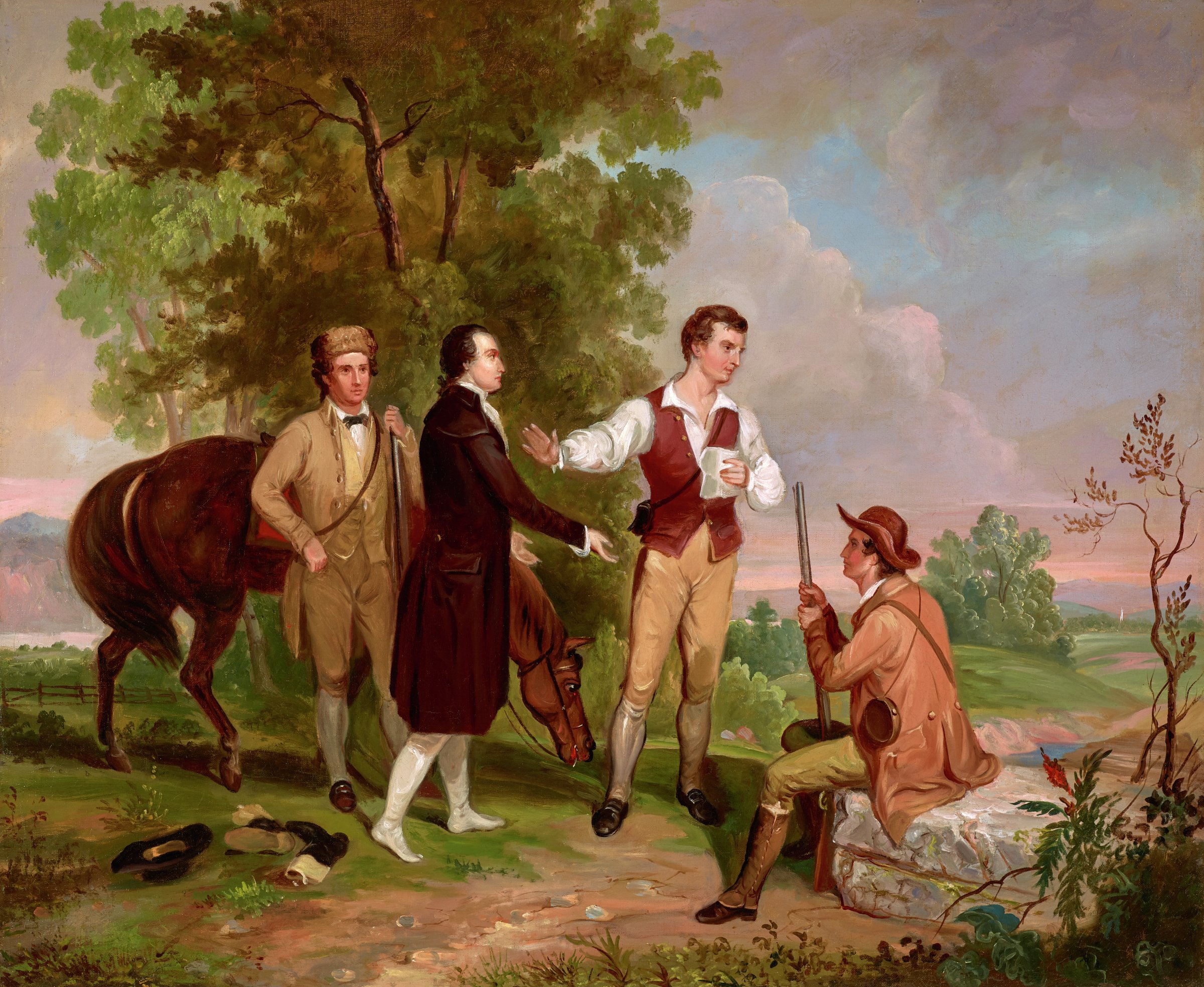
Ten Great Paintings of the American Revolution - The ...

The Marketplace of Ideas first came from Justice Oliver Wendell during his dissenting opinion in Abrams v. United States. The metaphor puts the importance of free speech and expression into simple terms, by comparing it to a market, where everyone is free to bring their opinions and discuss them, much like how one can bring their goods to a flea market. The Marketplace of Ideas also discusses how information that is true will always drown out information that is false. 


The Marketplace of Ideas is one of the most important things to keep in mind when discussing the ever evolving world of social media. While our right to free speech is constitutionally protected, it will not be protected from private companies' social media websites. One of the biggest examples of that is hate speech. Even though it is protected by the First Amendment, hate speech is one of the quickest ways to get banned on nearly every social media platform. These companies are private, and normally have the government and advertising corporations breathing down their neck to make guidelines stricter and stricter in order to appease them. 

The Art of the Law: paintings of courts 1, to 1903 – The Eclectic Light  Company

However, the Marketplace of Ideas falls apart when it is used to analyze the spread of false information spread online. While it states that the truth will drown out false information, this could not be further from the truth. The internet has bred a lazy person, one that does not care enough to look further into the information they are presented, instead they take it at face value and blindly believe it and spread the word to others who have the same beliefs and biases as them. If any information comes out that either disproves the statements or provides evidence that another way will be more beneficial, its disregarded as ignored, as it does not fit the person’s biases. The Marketplace of Ideas, while it was a strong concept and worked when it was created, seems to be less and less true in the ever evolving age of misinformation. 


What Is the Marketplace of Ideas? 


The second topic, Protect Dissonance, is one that is just as important as when it was first written about. The US is fueled by its arguments, as arguments are the only thing that pushes for progress. The Civil Rights movement and Anti-Vietnam protests are just two quick examples of why protecting the minority opinion is important; it allows for serious discussion of what is wrong with American society. Criticism of the Government is also one of the most important things that this protects, as a healthy leadership must be able to take the thoughts of the American people and use them to improve the Country. Overall, both the Marketplace of Ideas and the Protection of Dissonance are important topics in the rapidly evolving digital world that all of the citizens in the US live in.